
Step right up, gamers! Dive into the world of Idle Games where you can level up without lifting a finger. Get ready for a journey filled with captivating insights and exciting discoveries.
Idle games have taken the gaming world by storm, offering a unique experience that keeps players hooked with minimal effort. From clicking to upgrading, these games offer a new way to enjoy the thrill of progression.
Idle Games
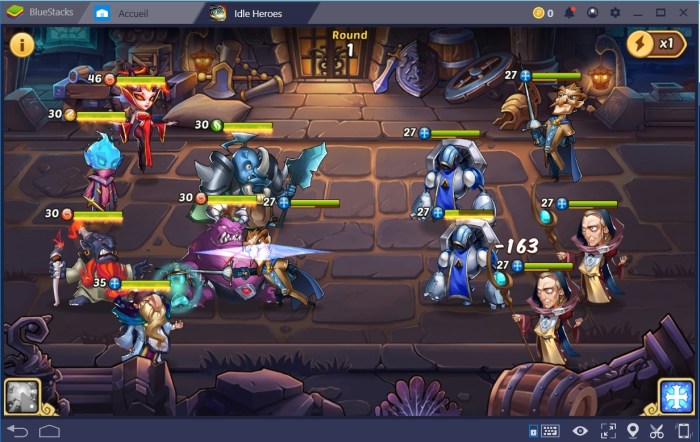
Idle games, also known as incremental games or clicker games, are a genre of video games where the gameplay primarily involves the player performing simple actions such as clicking on the screen or waiting for resources to accumulate over time. Unlike traditional video games that require constant input and decision-making, idle games are designed to be played passively, allowing players to progress even when they are not actively playing.
Examples of Popular Idle Games
- Cookie Clicker: Players click on a giant cookie to produce more cookies and unlock upgrades to automate the process.
- Adventure Capitalist: Players manage various businesses to earn money and expand their empire.
- Realm Grinder: Players choose factions and manage resources to grow their kingdom and unlock new abilities.
Mechanics in Idle Games
Idle games often feature mechanics such as:
- Progression systems that reward players for continuous play.
- Upgrade paths that enhance efficiency and unlock new features.
- Prestige systems that allow players to reset their progress for permanent bonuses.
These mechanics help keep players engaged by providing clear goals, a sense of accomplishment, and a feeling of constant progression.
Evolution of Idle Games
Idle games have evolved from simple clicker mechanics to more complex gameplay systems that offer deeper strategic choices and long-term goals. As the genre has grown in popularity, developers have introduced innovative features, multiplayer elements, and narrative-driven experiences to appeal to a wider audience. The accessibility and casual nature of idle games have contributed to their widespread appeal among gamers of all ages and skill levels.
Card Games
Card games have always been a popular genre, both in traditional and digital forms. The appeal of card games lies in their simplicity, strategic depth, and social aspects. Whether playing with physical cards or online, card games provide a stimulating mental challenge and a fun way to connect with others.
Types of Card Games
- Collectible Card Games (CCGs): CCGs like Magic: The Gathering and Yu-Gi-Oh! involve building decks from a pool of cards and strategically outplaying opponents.
- Deck-building Games: Deck-building games like Dominion and Ascension require players to construct their decks during the game, adding a layer of tactical decision-making.
- Trick-taking Games: Classic games like Bridge and Hearts fall into this category, where players must carefully manage their hand and predict opponents’ moves.
- Solitaire Games: Solitaire variants like Klondike and Spider offer solo challenges that test players’ patience and problem-solving skills.
Traditional vs. Digital Card Games
Traditional card games have the advantage of physical interaction, allowing players to handle and shuffle cards, as well as enjoy face-to-face social interactions. On the other hand, digital card games offer convenience, accessibility, and often more intricate gameplay mechanics.
Social Aspect of Card Games
Card games have a long history of bringing people together. Whether it’s a casual game night with friends or a competitive tournament, card games create a sense of camaraderie and friendly competition. They provide a platform for socializing, strategizing, and bonding over shared experiences.
Racing Games
Racing games have always been a favorite genre among gamers, offering a unique thrill and adrenaline rush as players compete to cross the finish line first. The excitement of speed, the challenge of mastering tracks, and the satisfaction of outmaneuvering opponents make racing games a popular choice for both casual and hardcore gamers alike.
Sub-genres of Racing Games
- Arcade-Style Racing: Known for their fast-paced action, arcade-style racing games focus more on fun and accessibility rather than realistic driving mechanics. Players can drift, boost, and perform stunts to reach the finish line.
- Simulation Racing: These games aim for a more realistic driving experience, with accurate physics, vehicle customization, and detailed tracks. Simulation racing games require precision and skill, appealing to players who enjoy a more authentic driving experience.
- Kart Racing: Popularized by games like Mario Kart, kart racing offers a whimsical and colorful take on the racing genre. Players can use power-ups, traps, and shortcuts to gain an advantage over their opponents, adding an element of strategy to the races.
Technological Advancements in Racing Games
- Graphics: With advancements in graphics technology, racing games now boast stunning visuals, realistic car models, and immersive environments that enhance the overall gaming experience.
- Physics Engine: Improved physics engines have made driving in racing games more realistic, with accurate handling, tire simulation, and vehicle dynamics that mimic real-world driving conditions.
- Virtual Reality (VR): The integration of VR technology has taken racing games to the next level, allowing players to immerse themselves in the driver’s seat and experience the thrill of racing in a fully immersive environment.
Competitive Aspect of Racing Games
- Esports Events: Racing games are a popular choice in esports events, where skilled players compete against each other in high-stakes tournaments. The competitive nature of racing games, combined with the thrill of head-to-head races, makes them a captivating spectator sport.
- Leaderboards and Rankings: Many racing games feature online leaderboards and rankings, allowing players to compare their skills against others and strive to climb the ranks. This competitive element adds a layer of replayability and social interaction to racing games.
- E-Sports Racing Leagues: Professional racing leagues and championships have emerged in the world of esports, where top players and teams compete for cash prizes, sponsorships, and glory. These events showcase the skill and dedication of competitive racing gamers on a global stage.
Online Games
Online games have revolutionized the gaming industry, allowing players to connect and interact in virtual worlds like never before. The rise of online gaming has brought about a new era of social gaming experiences, enabling players to compete, cooperate, and communicate with each other in real-time.
Benefits of Online Multiplayer Games
- Online multiplayer games create a sense of community by bringing players together from different parts of the world.
- Players can collaborate with friends or compete against strangers, fostering social interactions and friendships.
- These games often offer a more dynamic and unpredictable gameplay experience compared to single-player games.
- Online multiplayer games can provide a platform for players to showcase their skills and talents to a wider audience.
Genres of Online Games
- Massively Multiplayer Online (MMO) games: These games allow thousands of players to interact in a shared virtual world, completing quests, battling enemies, and forming alliances.
- Battle Royale games: In this genre, players compete against each other until only one player or team remains, combining elements of survival, exploration, and combat.
- First-person shooters (FPS) and multiplayer online battle arena (MOBA) games: These genres focus on competitive gameplay, requiring teamwork, strategy, and quick reflexes.
Live Service Models in Online Games
- Live service models involve developers continuously updating and adding new content to online games to keep players engaged and invested in the game over a long period of time.
- These updates can include new features, events, challenges, and in-game items, providing players with fresh experiences and reasons to keep playing.
- Live service models contribute to the longevity of online games by maintaining player interest, increasing player retention, and generating ongoing revenue for developers.
Games Download
Downloading games has become increasingly popular with the rise of digital distribution platforms. This shift has significantly changed the way people access and enjoy their favorite games.
Advantages of Downloading Games
- Convenience: Instant access to games without the need to visit a physical store.
- Storage: No need to worry about physical discs or storage space for game cases.
- Updates: Games can be easily updated online, ensuring the latest features and improvements.
- Environmentally friendly: Reduces the production and disposal of physical game copies.
Challenges of Downloading Games
- File Size: Some games can be large, requiring a significant amount of storage space.
- Internet Speed: Slow internet connections can lead to longer download times.
- Compatibility: Ensure your device meets the system requirements for the game.
Tips for Optimizing Game Downloads
- Check Internet Speed: Make sure you have a stable and fast internet connection for quicker downloads.
- Pause Background Downloads: Close unnecessary programs or downloads to prioritize the game download.
- Use Ethernet Connection: For faster and more reliable downloads, consider using an Ethernet cable instead of Wi-Fi.
- Preload Games: Take advantage of preloading options to start playing as soon as the game is released.
Mobile Casual Games
Mobile casual games have become immensely popular due to their accessibility and appeal to a wide audience. These games are designed to be easy to pick up and play, making them perfect for short bursts of entertainment on the go.
Characteristics of Mobile Casual Games
Mobile casual games are characterized by their simple gameplay mechanics, intuitive controls, and short play sessions. They often have colorful graphics and engaging sound effects to enhance the overall experience.
- Easy to Learn: Mobile casual games have simple rules and mechanics that can be quickly understood by players of all ages.
- Quick Sessions: These games are designed for short play sessions, making them ideal for filling small pockets of free time throughout the day.
- Addictive Gameplay: Mobile casual games often incorporate elements of progression and rewards to keep players engaged and coming back for more.
Monetization Strategies in Mobile Casual Games
Monetization in mobile casual games is typically achieved through ads, in-app purchases, and rewarded videos. These strategies allow developers to generate revenue while keeping the games free to download and play.
- Ads: Many mobile casual games display advertisements between levels or offer players the option to watch ads in exchange for in-game rewards.
- In-App Purchases: Players can purchase virtual currency, power-ups, or cosmetic items to enhance their gameplay experience.
- Rewarded Videos: Players can choose to watch video ads in exchange for in-game rewards, such as extra lives or power-ups.
Impact of Mobile Casual Games on the Gaming Market
Mobile casual games have had a significant impact on the overall gaming market, reaching a massive audience of casual gamers who may not have otherwise engaged with video games. These games have also influenced the development of other genres, with many traditional game developers incorporating casual elements into their titles.
Console Systems
Console gaming has been a cornerstone of the gaming industry for decades, with each major player bringing unique features and exclusive titles to the table. Let’s delve into the world of console systems and explore what sets them apart.
PlayStation
PlayStation, developed by Sony, has been a dominant force in the console market for years. Known for its powerful hardware and innovative controllers, PlayStation offers a wide range of exclusive titles such as the popular Uncharted and God of War series. With the recent release of the PlayStation 5, Sony continues to push boundaries in terms of graphics and performance.
Xbox
Microsoft’s Xbox series is another heavyweight in the console industry, renowned for its robust online gaming capabilities through Xbox Live. Exclusive franchises like Halo and Gears of War have garnered a dedicated fan base. The Xbox Series X|S represents the latest iteration of Microsoft’s console lineup, focusing on high performance and backward compatibility.
Nintendo Switch
Nintendo’s Switch console stands out with its unique hybrid design, allowing players to enjoy gaming both at home and on the go. With iconic franchises like Mario, Zelda, and Pokemon, Nintendo offers a diverse lineup of family-friendly and innovative games. The Switch’s portability and versatile gameplay experience have resonated with a wide audience.Console systems have evolved significantly over the years, from simple 2D graphics to lifelike visuals and immersive gameplay experiences.
The competition between PlayStation, Xbox, and Nintendo has driven innovation and pushed the boundaries of gaming technology.As we look to the future, advancements in virtual reality, cloud gaming, and cross-platform play are trends to watch out for in the console gaming space. With each major player vying for the attention of gamers worldwide, the landscape of console systems is set to continue evolving in exciting ways.
Computer Games
Gaming on computers offers several advantages over other platforms, making it a popular choice among gamers worldwide.
One major advantage of computer games is the versatility and customization options available. Players can adjust graphics settings, use mods, and even upgrade hardware to enhance their gaming experience. Additionally, the keyboard and mouse setup offers precision and control that may be lacking in other gaming platforms.
Genres of Computer Games
- Action: Fast-paced games that test reflexes and hand-eye coordination, such as first-person shooters and hack-and-slash games.
- Role-playing Games (RPGs): Immersive games that allow players to customize their characters and make choices that impact the story.
- Strategy: Games that require planning and decision-making skills, including real-time strategy (RTS) and turn-based strategy games.
- Sports: Simulations of real-world sports, offering realistic gameplay and competitive multiplayer modes.
- Simulation: Games that mimic real-life activities, such as driving, flying, or managing a virtual world.
- Adventure: Story-driven games that focus on exploration, puzzle-solving, and character development.
Hardware Requirements for Computer Games
The hardware requirements for playing computer games can vary depending on the complexity of the game and desired graphical fidelity. Key components that impact gaming performance include the CPU, GPU, RAM, and storage.
High-end games may require a powerful graphics card and a fast processor to run smoothly at maximum settings.
Players looking to enjoy the latest titles with high frame rates and resolution may need to invest in a gaming PC with top-of-the-line hardware.
Modding Community and Game Development
The modding community surrounding computer games plays a significant role in extending the lifespan and appeal of popular titles. Modders create custom content, tweaks, and enhancements that can add new features, improve graphics, or fix bugs in games.
Game developers often embrace the modding community, as user-generated content can inspire new ideas and innovations for future game development. Some successful mods have even led to official collaborations with developers, resulting in enhanced gameplay experiences for players.
Online Games Adventure
Adventure games in the online gaming space offer players immersive experiences filled with exploration, storytelling, and puzzle-solving elements. These games often focus on narrative-driven gameplay that engages players in a captivating virtual world.
Characteristics of Online Adventure Games
- Rich Storytelling: Online adventure games feature intricate storylines that unfold as players progress through the game, keeping them engaged and invested in the narrative.
- Exploration: Players are encouraged to explore vast virtual worlds, uncovering hidden secrets, treasures, and new challenges along the way.
- Puzzle-Solving: Adventure games often present players with puzzles and brain teasers that require critical thinking and problem-solving skills to advance.
- Quests and Missions: Players embark on epic quests and missions, interacting with various characters and environments to complete objectives and unravel the game’s story.
Storytelling Elements in Online Adventure Games
In online adventure games, storytelling is crucial to immersing players in the game world. Through dialogue, cutscenes, and in-game events, players are drawn into the narrative, forming emotional connections with characters and the game world.
Exploration and Puzzle-Solving in Online Adventure Games
- Exploration: Players have the freedom to roam and discover new locations, uncovering hidden treasures, lore, and challenges that enrich the gaming experience.
- Puzzle-Solving: Adventure games challenge players with puzzles of varying difficulty levels, requiring them to think creatively and logically to progress through the game.
Popular Online Adventure Games
-
World of Warcraft
: A massively multiplayer online role-playing game (MMORPG) known for its vast world, engaging quests, and rich lore that players can explore and experience together.
-
The Legend of Zelda: Breath of the Wild
: An action-adventure game that combines exploration, puzzle-solving, and storytelling in a beautifully crafted open world.
-
Tomb Raider
: A series of action-adventure games following the adventures of Lara Croft, known for its thrilling exploration, puzzle-solving, and cinematic storytelling.
Adventure Games
Adventure games have always been a popular genre among gamers, offering a unique blend of storytelling, exploration, and puzzle-solving. Let’s delve into the world of adventure games and explore the different sub-genres, evolution, impact of storytelling, and memorable moments.
Sub-genres of Adventure Games
- Point-and-Click Adventure Games: These games require players to interact with the environment by clicking on objects to progress through the story.
- Narrative-Driven Adventure Games: Focused on storytelling and character development, these games often feature branching narratives that are influenced by player choices.
- Open-World Adventure Games: Offering vast, explorable worlds for players to discover at their own pace, these games provide freedom and immersive experiences.
Evolution of Adventure Games
- From text-based adventures to graphically rich experiences, adventure games have evolved in terms of visuals, gameplay mechanics, and player interaction.
- Adapting to changing player preferences, modern adventure games incorporate elements of action, exploration, and decision-making to cater to a wider audience.
Impact of Storytelling in Adventure Games
- Storytelling plays a crucial role in adventure games by creating engaging narratives that draw players into the game world and establish emotional connections.
- Immersive storytelling enhances player immersion, making them feel invested in the characters, plot twists, and outcomes of their decisions.
Memorable Moments in Adventure Games
- From iconic puzzle solutions to plot twists that leave players in awe, adventure games are known for delivering unforgettable moments that resonate long after the game is completed.
- Emotional character interactions, breathtaking landscapes, and moral dilemmas are some of the elements that contribute to creating lasting memories for players.
Fighting Games
Fighting games have always been a staple in the gaming community, known for their competitive nature and appeal to esports enthusiasts. These games often require quick reflexes, strategic thinking, and precise execution of moves to emerge victorious.
Competitive Nature and Esports Appeal
Fighting games are highly competitive, with players going head-to-head in intense battles to showcase their skills. The thrill of outsmarting an opponent and executing flawless combos is a major draw for esports enthusiasts, who enjoy the fast-paced action and high-stakes gameplay.
Mechanics in Fighting Games
In fighting games, players can perform combos, special moves, and unique abilities specific to each character. Mastering these mechanics is crucial for success, as well as understanding factors like character balance, frame data, and matchup knowledge to gain an edge over opponents.
History and Influence
The history of fighting games dates back to the arcade era, with classics like Street Fighter and Mortal Kombat paving the way for the genre. These games have influenced other genres, introducing mechanics like health bars, special moves, and competitive multiplayer modes that are now common in many titles.
Community Building
Fighting games play a significant role in fostering a sense of community among players. Local tournaments, online matchmaking, and forums dedicated to specific titles bring players together to share strategies, compete, and form lasting friendships based on their shared passion for the genre.
Final Summary
As we wrap up our exploration of Idle Games, remember to keep your auto-clicker handy and your upgrades in check. Whether you’re a casual player or a dedicated clicker, the world of idle games offers endless possibilities for fun and entertainment.
Top FAQs
What are idle games exactly?
Idle games are a genre of games where players make minimal to no active inputs, letting the game progress on its own.
What makes idle games so addictive?
The addictive nature of idle games comes from the satisfaction of seeing progress and upgrades even when you’re not actively playing.
Are there any popular idle games to try out?
Some popular idle games include “Cookie Clicker,” “Adventure Capitalist,” and “Realm Grinder.”


